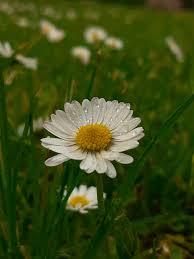
Read the facts about daisies below :
1. The Composite Bloom Structure: Daisies hold a unique place in the plant world because a single bloom is actually a cluster of many small flowers. The white outer petals are separate female flowers, while the yellow center is made of many tiny bisexual flowers. This dense physical scale means that a single stem offers maximum efficiency for visiting insect pollinators. This columnar growth pattern ensures that it maintains a flat, visible target high above the grass canopy, creating a truly welcoming presence. This bright visual build makes onlookers feel exceptionally cheerful when walking up to the plant. However, maintaining such an intricate flower head requires rich soil and specialized protection from heavy trampling to prevent modern garden foot traffic from compacting the earth around it.
2. High Species Diversity: Unlike less varied plant lineages, the daisy family focuses its massive growth into thousands of distinct species worldwide. In traditional ecological terms, this singular family contains enough variety to fill almost any temperate ecosystem on earth. The main plant structure alone is incredibly dense with nutrients, providing food for local livestock and insects. To help people visualize this immense botanical scale, experts estimate that one out of every ten multi-cellular plants on Earth belongs to the daisy family. This unique reliance on a highly adaptive, composite structure establishes it as a true natural wonder of the botanical world.
3. Adaptive Botanical Species: The common lawn daisy belongs to an ancient and widespread plant group, known scientifically as Bellis perennis. This flower-bearing herbaceous plant features an iconic yellow disc that sets it apart from adjacent weeds and grasses. Daisies are uniquely adapted to the distinct environmental pressures of open fields, meadows, and backyard gardens globally. Their bitter leaf quality historically deterred grazing animals from consuming the entire patch, which ultimately saved the specimen from early destruction. Today, this magnificent plant branch represents an important piece of global evolutionary history, heavily protected within a small network of natural preserves.
4. Variable Plant Height: The impressive physical frame of different daisy species reaches anywhere from 10 centimeters to nearly a meter straight up into the air. This massive height variance depends on whether it is a common lawn daisy or a giant Oxeye variety growing in the wild. While it is not the absolute tallest flower species on the globe—a distinction held by giant sunflowers—its sheer combination of beauty and resilience is unmatched. Its sun-facing canopy features delicate stems, including a flexible main neck that can bend without snapping. This vertical distribution ensures that the plant captures maximum sunlight to drive its daily food production.
5. Flat Composite Base: At ground level, the daisy plant features an exceptionally wide rosette of leaves with a ground footprint anchoring it firmly to the dirt. Its true crown diameter exceeds several centimeters across, making it wide enough to crowd out competing weeds in a lawn. This heavy base flares outward to provide maximum structural support for the delicate flower heads pressing upward into the breeze. This specialized anatomical shape ensures that the perennial plant remains firmly balanced against heavy rainstorms and morning frost.
6. Lightweight Total Weight: The calculated total weight of an individual common daisy flower is incredibly light, reaching an estimated two grams. This makes the daisy one of the most efficient living plant organisms ever measured by modern science for its size. This light weight is supported by a shallow but expansive root network that radiates outward from the flared base of the stem. To ensure the delicate flower does not wilt or collapse, garden enthusiasts use mulch to keep moisture in the sensitive ground surrounding the roots.
7. Persistent Perennial Lifespan: A historical look at daisies reveals an incredible biological lifespan that can last for several years in perennial varieties. This means the hardy plant originally emerged from a tiny seed and will return season after season to bloom again. It has successfully survived centuries of changing climates, seasonal droughts, and historical land clearings that claimed adjacent vegetation. This remarkable longevity highlights how perfectly adapted the species' natural biology is for surviving across various hardiness zones.
8. Continuous Seasonal Growth: Despite its rapid lifecycle, a daisy patch is completely alive and continues to add new blooms every single year. Each year, its active root system sends up fresh green shoots to expand the total size of the flower bed. This continuous growth behavior proves that daisies do not stop developing as they grow older, provided they have access to water and sun. This cycle of annual seed production ensures that it expands its global distribution lead over other flower specimens over time.
9. Global Wilderness Distribution: The daisy is found in a highly diverse geographic region, natively situated across Europe but now naturalised globally. These flowers thrive in almost any zone due to the unique combination of rich soil, seasonal rains, and direct sunlight. Unlike hidden rare orchids, its precise geographic location is open to the public everywhere, allowing millions of nature lovers to walk through local meadows and view them up close.
10. Notable Petal Loss: In the height of summer, daisies can experience a dramatic structural event when grazing insects or heavy winds tear away their delicate white petals. The broken petals drop away, leaving only the sturdy central yellow disc behind. While this loss slightly alters the flower's upper visual shape, it does not change its biological function, since reproduction is managed within the inner disc florets. This event highlighted that even the most common living plants face physical wear and tear as the season progresses.
11. High Weather Resistance: The primary secret behind the daisy's widespread survival is its highly unique, flexible stem, which can bend flat against the ground. This pliable outer tissue contains no rigid woody fibers, serving as a highly effective, natural defense against being stepped on or crushed. When a heavy rainstorm sweeps through the meadow, the plant bends slightly but stops the intense force from snapping the stem underneath. This evolutionary design ensures that the plant survives seasonal mowing cycles that routinely clear out taller competing flora.
12. Insect-Dependent Reproduction: Flowering plants like daisies rely heavily on insects to complete their reproductive lifecycles. The flower produces abundance of sweet nectar that holds hungry pollinators close to the center for minutes at a time. When the insects crawl over the disc florets, they transfer pollen grains, causing the plant to fertilize and develop viable seeds. The nutrient-rich soil and abundance of visiting bees give the new seedlings a strong chance of growing successfully.
13. Resistant Interior Sap: Inside the green stem sits a specialized, nutrient-dense fluid known as sap, which provides the flower's core turgor pressure. This internal cellular structure is packed with natural compounds that make it highly resistant to fungal blight, boring larvae, and sudden rot. This chemical engineering ensures that even when an insect bite breaks the skin, the flower does not easily decay from the inside out. This defense system allows the plant frame to remain standing upright for months at a time without structural collapse.
14. Historic Symbolic Meanings: The cheerful flower has a colorful historical background regarding its identity, having been featured heavily in global literature and mythology. It was originally associated with Freya, the Norse goddess of love, beauty, and fertility. Later, Celtic legends claimed that God sprinkled daisies over the earth to comfort grieving parents who had lost a child. After these ancient eras, English poets officially celebrated its bright "day's eye" characteristics, which remain immortalized in classic prose today.
15. Herbivore Proximity Protection: Because daisies attract thousands of grazing insects every week, the plant must take natural measures to protect itself from excessive damage. A bitter chemical compound often flavors the leaves to prevent animals from eating the entire crown. Daisies possess exceptionally shallow root systems that spread out wide just beneath the dirt surface. If large herds step directly on this earth, the soil compacts, cutting off the roots' access to vital oxygen and surface moisture.
16. Modern Horticultural Intervention: In recent years, daisies faced an unprecedented survival crisis when severe heatwaves swept through suburban communities. To protect the world's favorite garden flowers from drying out completely, home gardeners took the extraordinary step of installing specialized, drip-irrigation systems. This automated watering blanket delivered targeted moisture away from vulnerable hot zones, ensuring the flowers emerged from the summer heat completely unharmed.
17. Natural Photoautotrophic Diet: As a member of the plant kingdom, the daisy does not hunt or forage for organic food like animals. Instead, it relies on a photoautotrophic diet, utilizing its green foliage to absorb sunlight and convert carbon dioxide into sugars. Its vast roots draw milliliters of groundwater up into the stem to support this continuous chemical synthesis. This self-sustaining system allows the delicate plant to build its entire physical frame purely out of water, air, and light over the growing season.
18. Nearby Botanical Rivals: While the common daisy is a highly successful flower, it shares its meadow with several other competitive blooms. Its closest visual relative, named the Chamomile flower, is located right alongside it within neighboring fields and herbal gardens. These adjacent blooms create an incredible meadow tapestry effect that draws photographers from all over the world. Walking through these wild fields offers a stark reminder of the sheer beauty that flora can achieve under ideal preservation conditions.
19. Historical Cultivar Giants: Although wild daisies are relatively small, historical records show that specialized breeding programs have created massive daisy varieties over the decades. The Shasta Daisy was intentionally bred by Luther Burbank in the late 1890s to create a larger, hardier bloom than native wild specimens. Another specimen, the African Daisy, brings vibrant purples and yellows to gardens, expanding the visual range of the traditional family. These horticultural records highlight how critical intentional plant breeding is for expanding the beauty of the natural world.
20. Severe Urban Threats: Despite its natural resilience, the daisy faces an uncertain future due to shifting landscaping practices and severe modern chemical weed killers. Rising usage of synthetic herbicides in suburban lawns leads to a decreased wild population, reducing the vital food supply that native bees rely on. Furthermore, decades of aggressive lawn manicuring have caused a loss of natural meadows, creating uniform turf grids where wildflowers cannot take root. Protecting the daisy requires active ecological awareness, including leaving wild patches untouched, to ensure this living wonder continues blooming for generations to come.