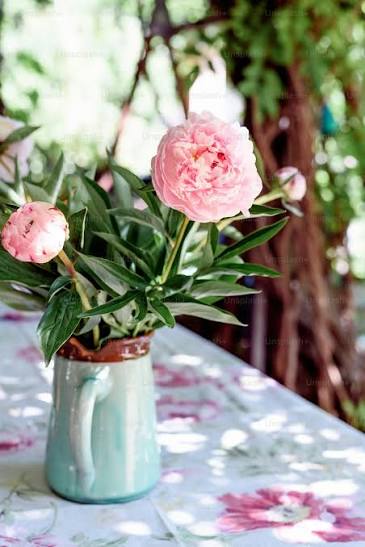
Read the facts about peonies below :
1. Longevity in the Garden: Peonies hold an undisputed global reputation for being among the longest-living perennial garden plants in existence. Located in gardens worldwide, a well-placed peony bush ranks far higher in longevity than most other common backyard flowers. This immense biological resilience means that a single plant can outlast the gardener who planted it, often blooming reliably across several generations of a family. Their sturdy root crown ensures that they maintain a strong energy reserve hidden safely beneath the frost line. This enduring nature makes homeowners feel a deep sense of history when watching the same plant bloom year after year. However, maintaining such an old plant requires stable, undisturbed soil to prevent heavy foot traffic from damaging the shallow crown.
2. High Cultural Value: Unlike shorter-lived annual flowers, the peony focuses its energy into an extensive root system that produces premium blooms coveted by cultures globally. In traditional floral markets, these singular plants contain enough visual appeal and demand to drive a massive global commercial trade network every spring. The flower heads alone are incredibly lush and dense, packed with hundreds of delicate, ruffled petals layered tightly together. To help people visualize their immense popularity, floral experts note that peonies consistently rank as a top choice for luxury wedding bouquets and high-end spring arrangements. This unique reliance on timeless elegance establishes them as a true natural wonder of the horticultural world.
3. Distinct Botanical Groups: The peony belongs to an ancient line of flowering plants known scientifically as the genus Paeonia. These plants feature an iconic divided foliage pattern that sets them apart from adjacent garden perennials like roses and dahlias. Peonies are uniquely adapted to the distinct environmental pressures of temperate zones that experience distinct, cold winter seasons. Their strong chemical defenses historically deterred grazing wildlife, which ultimately saved wild varieties from being eaten into extinction. Today, this magnificent plant branch represents an important piece of global evolutionary history, heavily protected and celebrated within a vast network of botanical gardens.
4. Unbelievable Variety Heights: The impressive physical frames of the peony genus reach anywhere from 0.5 meters for dwarf varieties up to 3 meters straight up for certain tree peonies. This vertical scale allows them to fit beautifully into any garden tier, towering over lower ground covers. While herbaceous types are not the absolute tallest plants in the backyard, their sheer combination of dense foliage and heavy flowers is unmatched. Their spring canopy features heavy stems, including strong stalks that must support massive terminal flowers. This broad horizontal distribution ensures that the plant captures maximum sunlight to drive its daily food production.
5. Massive Bloom Circumference: At peak maturity, a single peony plant can feature exceptionally wide flower heads with a circumference measuring up to 75 centimetres. Its true blossom diameter can exceed 25 centimetres across, making it wide enough that it completely fills two cupped human hands. This heavy flower head flares outward to showcase its intricate inner structures, heavy with pollen and fragrant oils. This specialized anatomical shape ensures that the blossom remains highly visible to passing pollinators like bees and beetles during its brief lifecycle.
6. Enormous Root Network: The calculated total mass of an established peony plant resides primarily in its expansive, fleshy root network hidden beneath the dirt surface. This makes the underground root system one of the most vital components of the plant's long-term survival strategy. This massive weight is supported by thick, tuberous roots that radiate outward from the central crown of the plant. To ensure the heavy flower stems do not droop or collapse under the weight of spring rains, gardeners use metal hoops to support the sensitive stems surrounding the base.
7. Ancient Living History: A historical look at peonies reveals an incredible biological connection with humans dating back thousands of years. This means the flower originally emerged as a symbol of medicine and royalty well before modern cultivation practices spread to the West. It has successfully survived centuries of changing garden trends, shifting agricultural practices, and historical migrations that carried it across continents. This remarkable longevity highlights how perfectly adapted the species' natural biology is for surviving across diverse climates.
8. Continuous Annual Regrowth: Despite their ability to live for over a century, herbaceous peonies emerge completely fresh and full of energy every single year. Each spring, the active underground crown deposits enough new stem tissue to equal a fully grown, bushy shrub within just a few weeks. This continuous regrowth behavior proves that peonies do not lose their youthful vitality as they grow older, provided they have access to winter chill. This cycle of annual stem production ensures that the plant expands its crown and produces more flowering eyes over time.
9. Native Asian Distribution: The most famous ancestral peony varieties are natively situated in the temperate regions of East Asia, particularly China and Japan. The plants thrive in these specific zones due to the unique combination of rich, well-draining soil, distinct cold winters, and bright spring sunshine. Unlike rare or endangered wilderness species, their precise geographic varieties have been shared globally, allowing millions of gardeners to cultivate them along pathways and view them up close in their own yards.
10. Notable Petal Loss: At the end of the brief spring blooming window, peonies experience a dramatic structural event when their magnificent petals suddenly drop away. The fallen petals create a colourful blanket that smashes down onto the green leaves and garden beds below. While this loss completely alters the plant's aesthetic shape for the remainder of the summer, it does not harm the underlying health of the bush, since energy collection continues through the remaining green foliage. This event highlights that even the most beautiful blossoms face quick transitions in nature.
11. High Winter Resistance: The primary secret behind a peony's multi-decadal survival is its highly unique underground crown, which can withstand freezing temperatures down to minus 40 degrees Celsius. This thick, fleshy root system serves as a highly effective natural energy shield against harsh winter conditions. When a typical winter freeze sweeps through the region, the above-ground stems wither away but the intense cold fails to damage the living eyes hidden safely underneath the soil line. This evolutionary design ensures that the plant survives seasonal freeze cycles that routinely kill off less hardy exotic plants.
12. Cold-Dependent Blooming: Perennial peonies rely heavily on freezing winter temperatures to complete their yearly reproductive lifecycles. The plant produces internal growth hormones that remain locked up during the warm summer and autumn months. When the cold chill of winter sets in, it triggers a chemical reset, causing the underground eyes to mature and prepare for spring opening. The winter-chilled roots and lack of competing weeds in early spring give the emerging red shoots a strong chance of growing successfully.
13. Resistant Root Chemistry: Inside the thick, tuberous roots sits a specialized chemical profile packed with natural compounds like paeonol, which provides the plant's core defense mechanism. This internal root structure is packed with organic chemicals that make it highly resistant to fungal rot, boring pests, and soil-borne diseases. This chemical engineering ensures that even when a garden tool accidentally nicks the root, the plant does not easily rot from the inside out. This defense system allows the root frame to remain viable for a century without structural collapse.
14. Historic Naming Myths: The beautiful flower has a colorful mythological background regarding its identity, having been named after Paeon, the Greek physician to the gods. According to ancient myth, Paeon was saved from the jealousy of his teacher Asclepius when Zeus transformed him into the beautiful peony flower. Later, royal dynasties in China took control of the finest varieties, designating the specimen as the official flower of the state for centuries. After global trade routes opened, western botanists officially adopted its classical Greek name, which remains on nursery tags today.
15. Crown Proximity Protection: Because peonies attract eager gardeners every spring, growers must take aggressive measures to protect the plant crowns from poor planting habits. A careful depth check must be done around the base of the plant to prevent people from burying the root eyes too deep. Peonies possess exceptionally precise depth requirements, needing their eyes to sit just two to five centimetres beneath the dirt surface. If a gardener buries this crown too deep, the plant suffocates, cutting off its ability to produce flower buds.
16. Modern Ant Collaboration: In the early days of spring, peonies experience a fascinating insect relationship when dozens of ants swarm over the tightly wrapped flower buds. To protect the developing blossoms from hungry thrips and destructive pests, the peony takes the extraordinary step of secreting a sugary liquid from its outer bud scales. This sweet, sticky meal attracts a protective army of ants that chase away other insects, ensuring the flower emerges from its bud completely unharmed.
17. Natural Photoautotrophic Diet: As a member of the plant kingdom, the peony does not hunt or forage for organic food like animals. Instead, it relies on a photoautotrophic diet, utilizing its wide green leaves to absorb sunlight and convert carbon dioxide into essential starches. Its deep roots draw liters of groundwater up into the stems to support this continuous chemical synthesis. This self-sustaining system allows the compact plant to build beautiful floral displays purely out of water, air, and light over its long lifetime.
18. Nearby Botanical Companions: While the peony is a standalone star of the spring garden, it shares its landscape beautifully with several other classic perennials. The world's most popular companion plants, like Siberian irises and early roses, are located right next to peonies in traditional cottage gardens. These adjacent plants create an incredible layered floral effect that draws admiration from onlookers. Walking through these blooming pathways offers a stark reminder of the sheer beauty that flora can achieve under ideal gardening conditions.
19. Historical Lost Cultivars: Although thousands of peony varieties are currently alive, historical records show that ancient royal cultivars once existed that have been lost over time. A legendary Chinese variety known as the Yao's Yellow was estimated to be the most prized flower in ancient Luoyang before it disappeared during historical dynastic conflicts. Another specimen, a unique imperial purple tree peony, held a place of high honor before shifting agricultural focus caused it to fade out of cultivation. These lost records highlight how critical modern seed banks and heritage societies are for preserving the remaining varieties.
20. Shifting Climate Threats: Despite its natural resilience, the peony faces an uncertain future in southern zones due to shifting global climate patterns and milder winters. Warming winter temperatures in traditional growing zones lead to decreased chilling hours, reducing the vital dormancy period that peonies rely on to create spring buds. Furthermore, sudden erratic heatwaves in early spring can cause the delicate flowers to open prematurely and burn, shortening the blooming display. Protecting peonies requires thoughtful placement, including afternoon shade in warmer regions, to ensure the living wonder continues blooming for decades to come.