B
I L L Y W O O D
N A T U R E
Ruled by nature
Weather
Articles
Mountains
Animals
Plants
Planets
Welcome
Mount
Everest
Everest
Mount
Fuji
Fuji
Mount
Kilima
njaro
Kilima
njaro
Matterhorn
K2
Denali
Table
Mountain
Mountain
Mount
Kailash
Kailash
Mount
Olympus
Olympus
The Alps
Mount Everest is the highest mountain above sea level in the world;
its peak reaches an elevation of 8,848.86 metres. See the twenty facts about Mount Everest.
more
more

Mount Fuji is the highest mountain in Japan;
its snowcapped peak reaches an elevation of 3,776 metres. See the twenty facts about Mount Fuji.
more
more
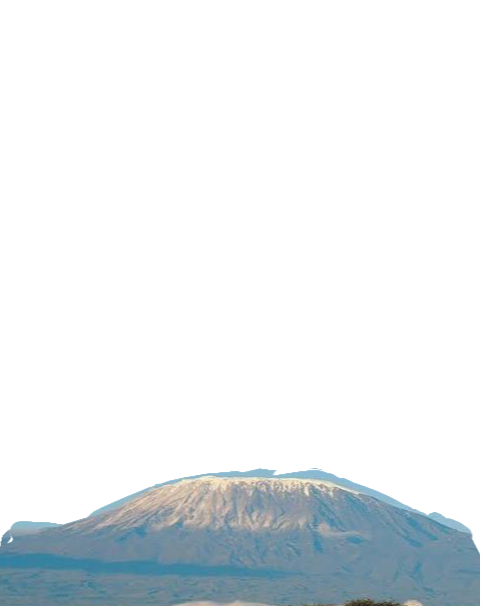
Mount Kilimanjaro is the highest free-standing mountain in the world;
its highest peak, Uhuru, reaches an elevation of 5,895 metres.
See the twenty facts about Mount Kilimanjaro.
more
more
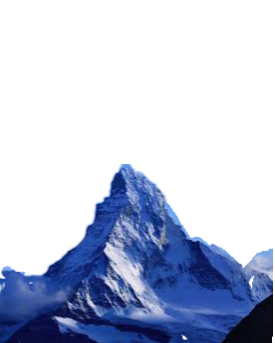
The Matterhorn stands at an elevation of 4,478 metres,
making it one of the highest peaks in the Alps. See the twenty facts about the Matterhorn.
more
more
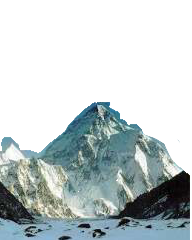
K2 is the second-highest mountain above sea level in the world;
its peak reaches an elevation of 8,611 metres. See the twenty facts about the K2.
more
more
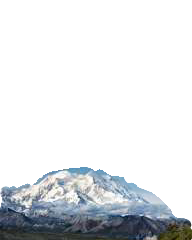
Denali is the highest mountain peak in North America;
its summit reaches an official elevation of 6,190 metres (20,310 feet).
See the twenty facts about Denali.
more
more

Table Mountain is a famous flat-topped landmark in South Africa;
its highest point reaches an elevation of 1,086 metres.
See the twenty facts about Table Mountain.
more
more
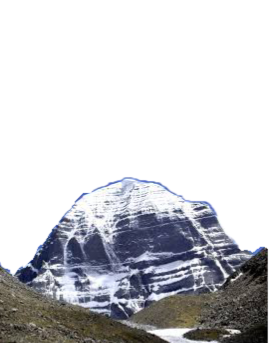
Mount Kailash is a prominent peak in the Transhimalaya range of Tibet,
reaching a striking elevation of 6,638 metres.
See the twenty facts about Mount Kailash.
more
more
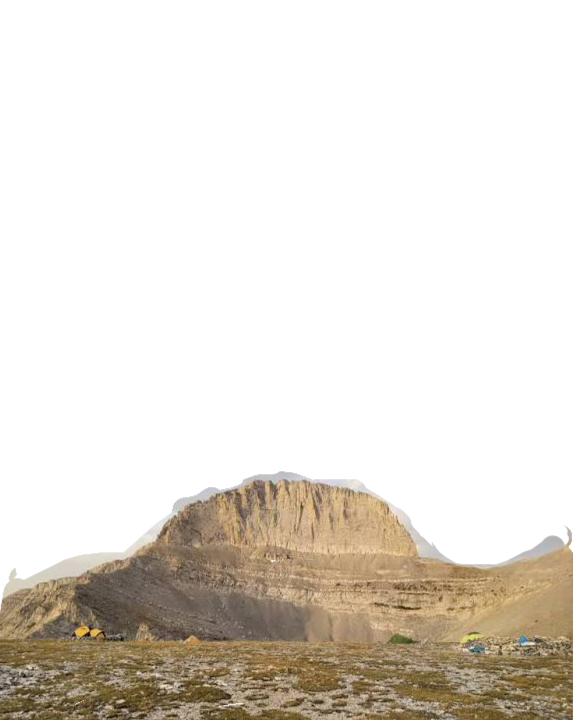
Mount Olympus is the highest mountain in Greece; its highest peak,
Mytikas, reaches an elevation of 2,917.727 metres.
See the twenty facts about Mount Olympus.
more
more

The Alps are the most extensive mountain range in Europe;
its highest peak, Mont Blanc, reaches an elevation of 4,807.3 metres.
See the twenty facts about the Alps.
more
more
Lion
Tiger
Bear
King Cobra
Rhino
Leopard
Shark
Girraffe
Elephant
Hyena

Lions are the second-largest wild cats in the world;
an adult male can weigh up to 250 kg.
See the twenty facts about lions.
more
more
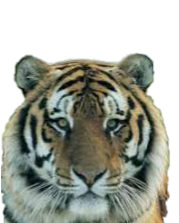
Tigers are the largest wild cats in the world;
an adult tiger can weigh up to 300 kg.
See the twenty facts about tigers.
more
more

Bears are remarkably heavy mammals;
a large adult polar bear can weigh up to 800 kg.
See the twenty facts about bears.
more
more

King cobras are the longest venomous snakes in the world,
growing up to 5.6 meters.
See the twenty facts about king cobras.
more
more
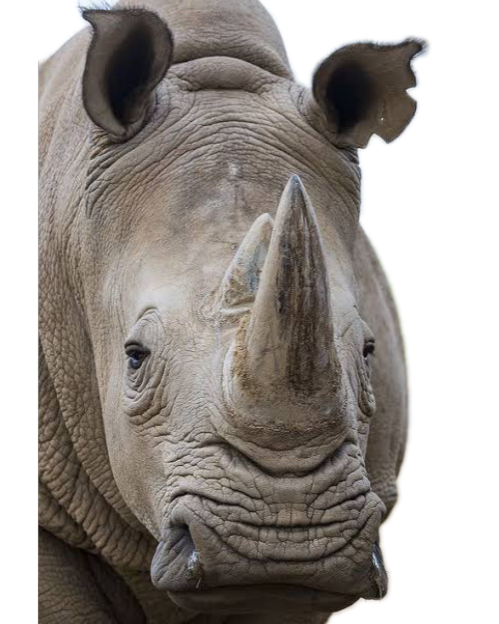
Rhinos are the second-largest land mammals on Earth;
an adult white rhino can weigh up to 2,300 kg.
See the twenty facts about rhinos.
more
more

Leopards are the most widely distributed and adaptable of all the big cats.
See the twenty facts about leopards.
more
more
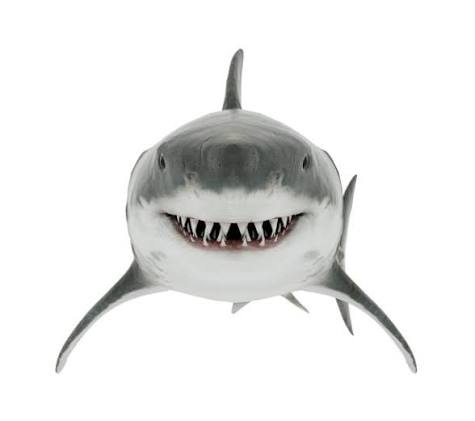
Sharks lack true bones;
their entire skeletal structure is made up of lightweight cartilage.
See the twenty facts about sharks.
more
more
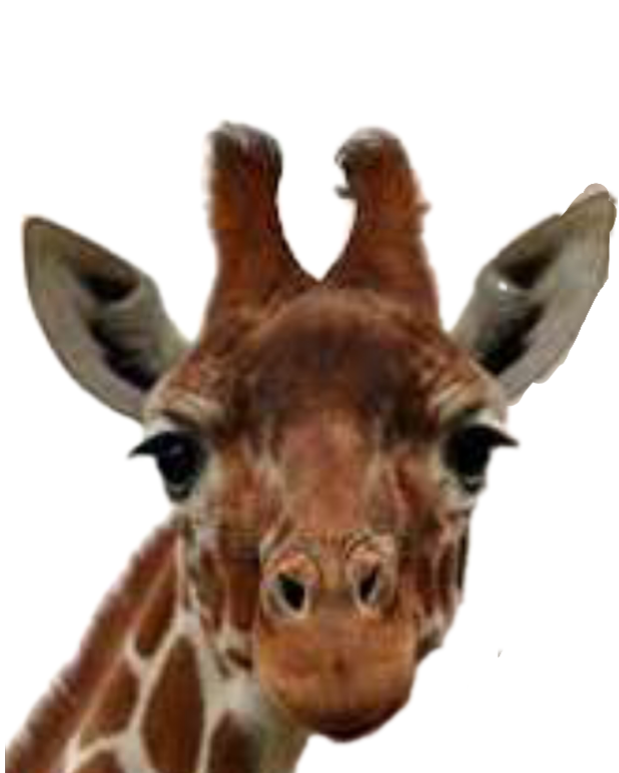
Giraffes are the tallest mammals on Earth;
newborns can stand taller than most humans.
See the twenty facts about giraffes.
more
more
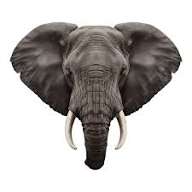
Elephants are the largest land mammals in the world;
an adult bull can weigh up to 6,000 kg.
See the twenty facts about elephants.
more
more
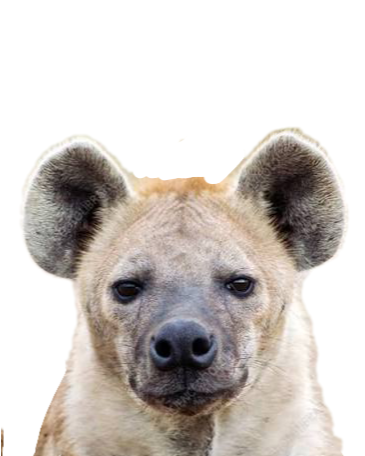
Hyenas are more closely related to cats than dogs,
belonging to their own suborder Feliformia.
See the twenty facts about hyenas.
more
more
General
Sherman
Sherman
Sunflower
Pando
Hyperion
Rainbow
Eucalyptus
Eucalyptus
Orchid
Rose
Tulip
Daisy
Peony
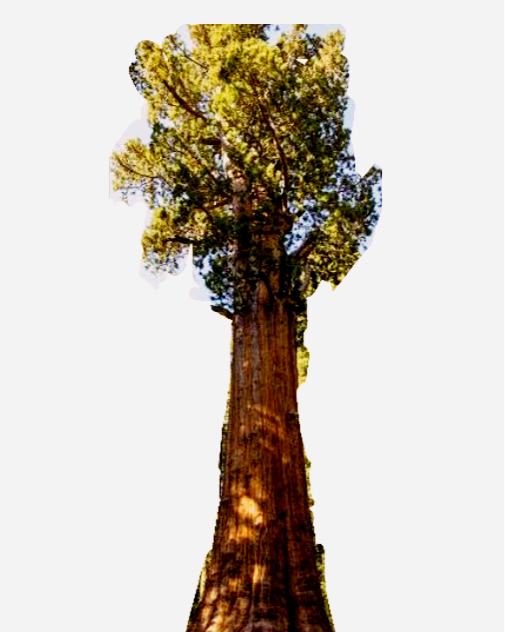
The General Sherman Tree is the largest living single-stem organism by volume on Earth.
See the twenty facts about the General Sherman.
more
more
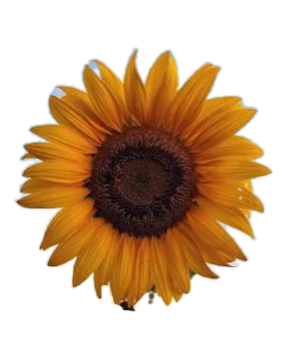
Sunflowers are famous for heliotropism,
where young flower buds turn to track the movement of the sun across the sky.
See the twenty facts about the sunflowers.
more
more
The Pando Tree is the largest living multi-stem organism by
weight and landmass on Earth.
See the twenty facts about the pando tree.
more
more
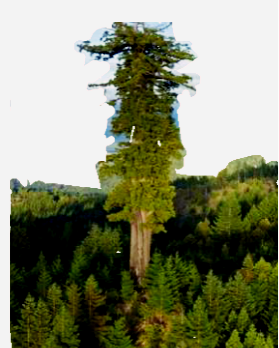
The Hyperion Tree is the tallest known living
single-stem organism by height on Earth.
See the twenty facts about the hyperion tree.
more
more
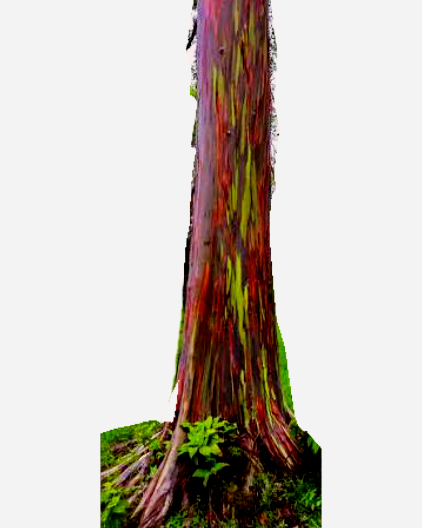
The Rainbow Eucalyptus is widely considered
the most colorful tree on Earth due to its striking multicolored trunk.
See the twenty facts about the rainbow eucalyptus.
more
more
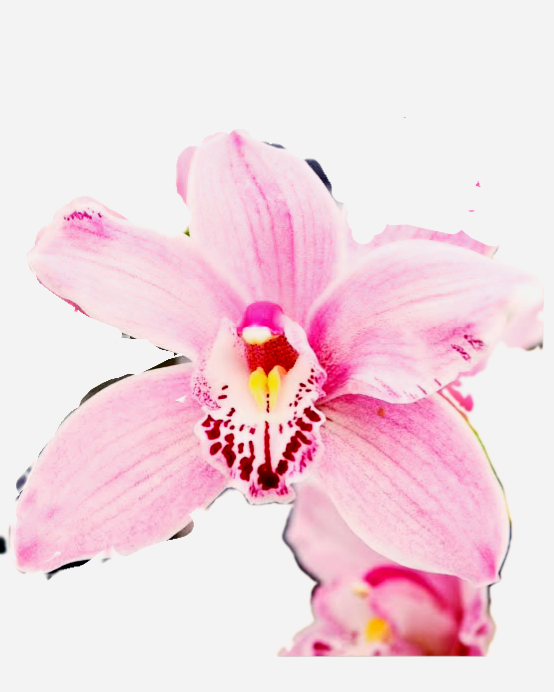
The orchid family (Orchidaceae) is one of the largest and
most diverse families of flowering plants on Earth.
See the twenty facts about the orchid.
more
more
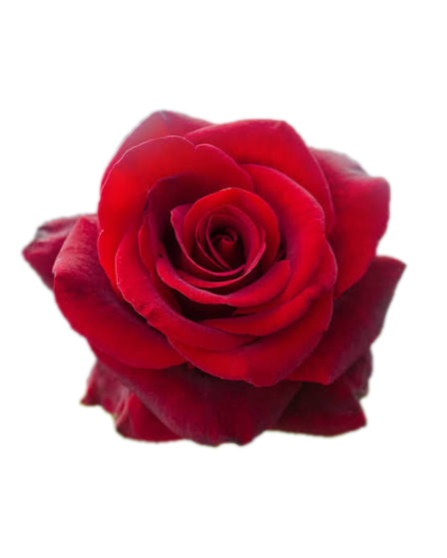
Roses are woody perennial flowering plants
belonging to the diverse genus Rosa.
See the twenty facts about roses.
more
more

Tulips are a globally beloved spring-blooming perennial that
grow from underground bulbs.
See the twenty facts about tulips.
more
more

Daisies belong to the Asteraceae family,
which is one of the largest families of flowering plants.
See the twenty facts about daisies.
more
more
Peonies belong to the genus Paeonia,
which is the only genus in the flowering plant family Paeoniaceae.
See the twenty facts about the peonies.
more
more
Mercury
Venus
Earth
Mars
Jupiter
Saturn
Uranus
Neptune
Pluto
Sun
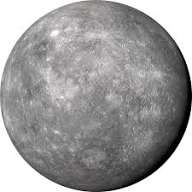
Mercury is the smallest planet in our solar system,
only slightly larger than Earth's Moon.
See the twenty facts about Mercury.
more
more
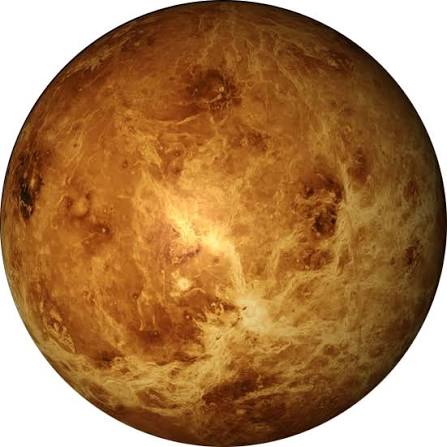
Venus is often called Earth's twin or sister planet
because it is very similar in size, mass, and composition.
See the twenty facts about Venus.
more
more
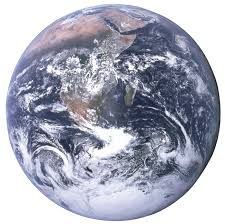
Earth is the fifth largest planet in our solar system and
the largest of the four terrestrial planets.
See the twenty facts about Earth.
more
more
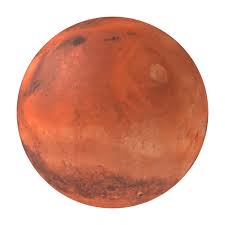
Mars is the second-smallest planet in our solar system,
roughly half the size of Earth.
See the twenty facts about Mars.
more
more
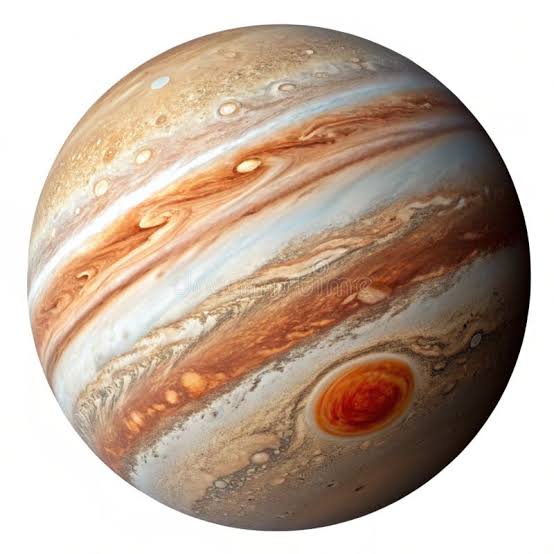
Jupiter is the largest planet in our solar system,
so massive that over 1,300 Earths could fit inside it.
more
more
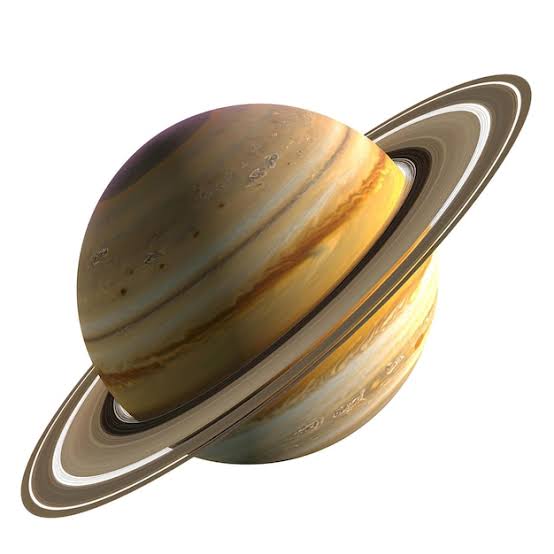
Saturn is the second-largest planet in our solar system,
surpassed in size only by Jupiter.
See the twenty facts about Jupiter.
more
more
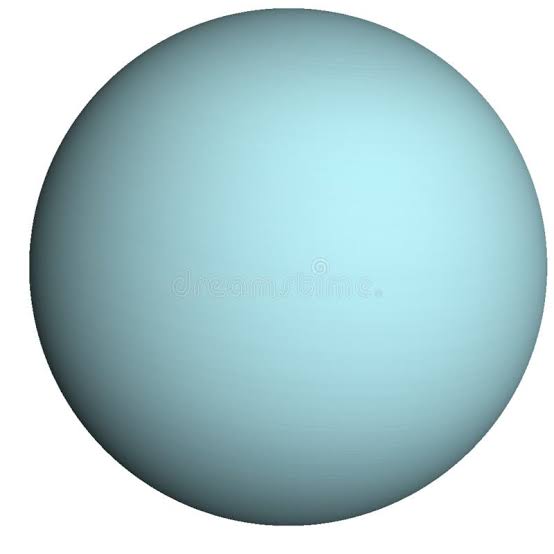
Uranus is the third-largest planet in our solar system by
radius and the fourth-largest by mass.
See the twenty facts about Uranus.
more
more
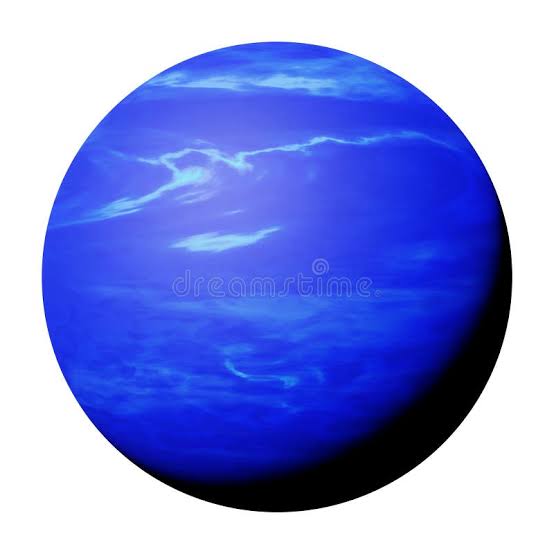
Neptune is the eighth and most distant planet
from the Sun in our solar system.
See the twenty facts about Neptune.
more
more
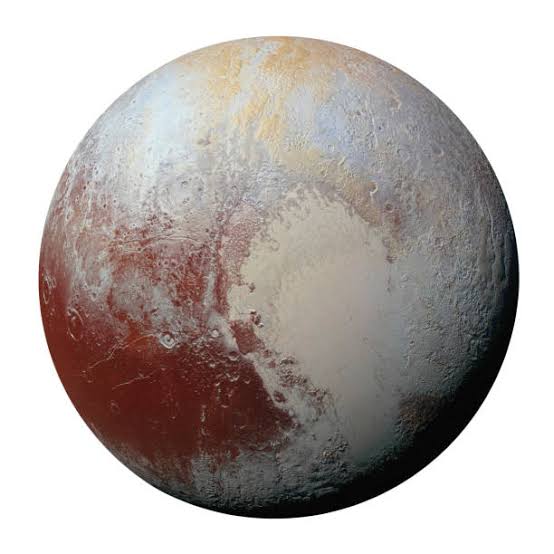
Pluto is a dwarf planet located in the Kuiper Belt,
a vibrant ring of icy bodies beyond Neptune.
See the twenty facts about Pluto.
more
more
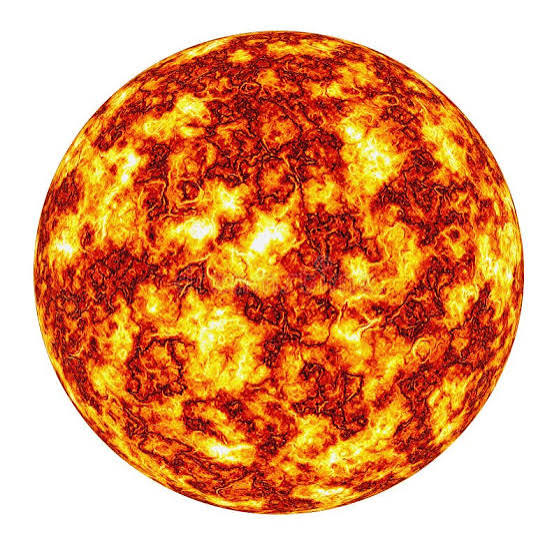
The Sun is a yellow dwarf star located at
the absolute center of our solar system.
See the twenty facts about the Sun.
more
more